educationWallets Guide
The 10 Best Cryptocurrency Wallets in 2026: Hot, Cold, and Multi-Chain Ranked
12m read·Mar 21
ENS only works on Ethereum. But you're not only on Ethereum. Here's how .eth stacks up against multichain domain services — and what to look for before you buy in 2026.

ENS is the most recognized Web3 domain system in crypto. It is also, by design, only useful on one chain.
This wasn't a problem in 2020 when most serious crypto activity happened on Ethereum mainnet. It's a significant problem in 2026, when the average active user touches 4-7 different chains per month — Base, Scroll, Arbitrum, Berachain, Ink, Unichain, and whatever new network just launched an incentive program last week.
If you're sending tokens on Base, your .eth name doesn't resolve. If you're farming an airdrop on Scroll, your .eth name does nothing. If you're minting on Ink or interacting with a dApp on Pharos, you're back to copying and pasting a 42-character hex address and hoping you don't make a typo.
ENS knows this. They've been working on cross-chain resolution for years. The progress has been slow, the UX remains complex, and the vast majority of non-Ethereum chains still don't natively support .eth resolution. Meanwhile, the multichain ecosystem didn't wait.
A new generation of domain services was built from the ground up for a world where users exist across dozens of networks simultaneously. The question for anyone buying a Web3 domain in 2026 isn't "should I get a .eth name?" It's "what do I actually need my domain to do — and which service genuinely delivers that?" This guide breaks it down.
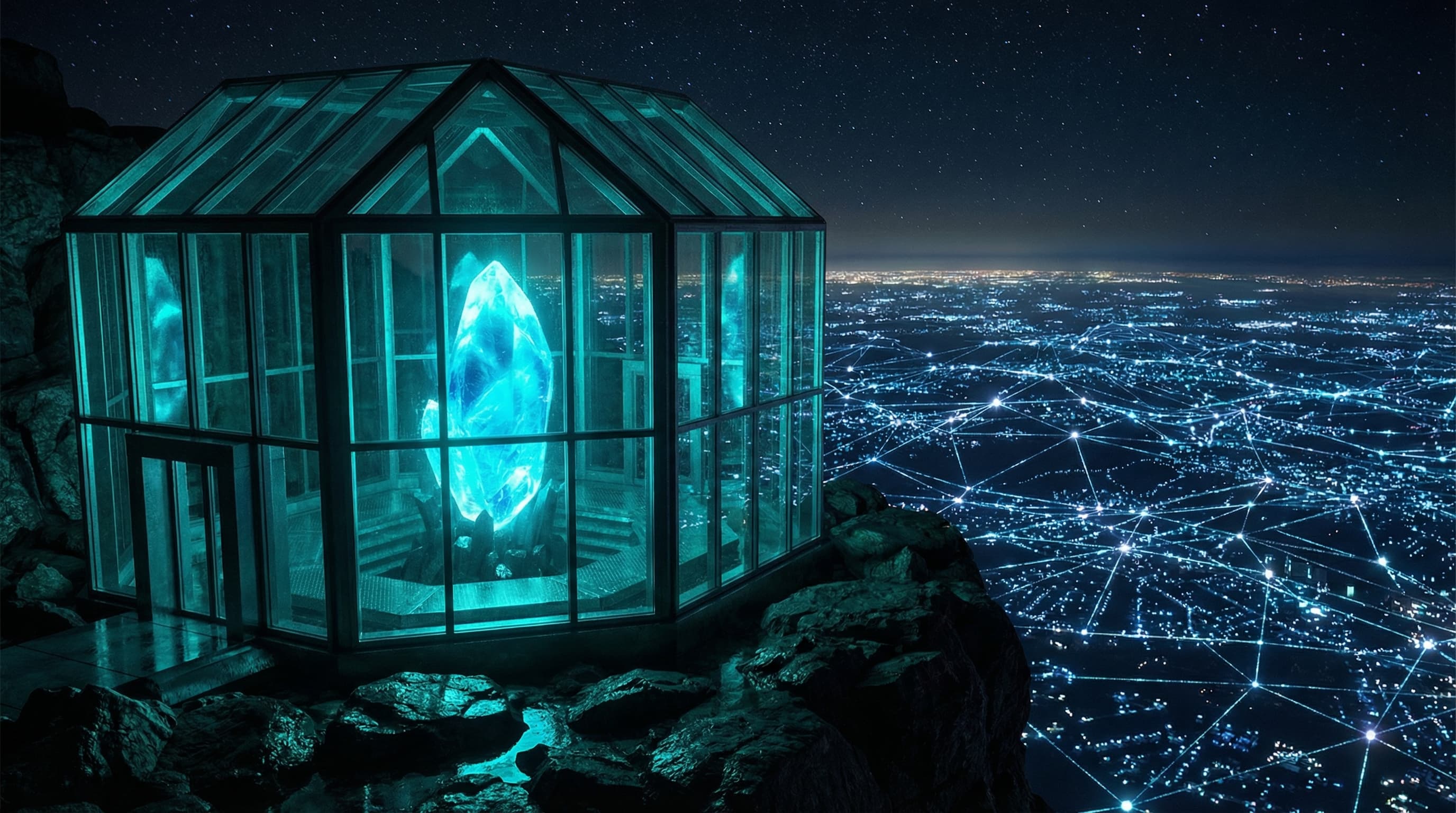
ENS Ethereum domain limited to one chain compared to multichain Web3 domain services across 90+ blockchains
Here's how the major Web3 domain services stack up in 2026:
| Feature | ENS (.eth) | Unstoppable | Space ID | ZNS Connect |
|---|---|---|---|---|
| Chains supported | 1 | ~11 | ~15 | 90+ |
| Annual renewal fee | Yes ($5-160/yr) | No | No | No |
| Avg. mint price | $5-160 | $20-40 | $3-20 | From $1 |
| Full profile page | Basic | Basic | Basic | Full Web3 bio |
| NFT display on profile | No | No | No | Yes |
| Cross-chain resolution | Partial | Limited | Limited | Yes |
| Airdrop farming utility | Low | Medium | Medium | High |
| Developer SDK | Yes | Yes | Yes | Yes |
ENS is a strong brand with deep Ethereum integration and the most developer tooling of any naming service. If 100% of your activity is on Ethereum mainnet, it remains a solid choice. The problem is that almost nobody's activity is 100% on Ethereum mainnet anymore.
Unstoppable Domains made a smart move removing renewal fees, which eliminated the biggest user complaint about ENS. But their chain support stops at approximately 11 networks, and their profile layer is minimal. You get a name, not an identity.
Space ID covers more chains than Unstoppable but remains heavily concentrated on BNB Chain. Cross-chain resolution works in theory but requires manual configuration that most users never complete.
ZNS Connect was built multichain-first from day one. 90+ chains, no renewal fees, a full Web3 profile page with NFT display, social features, and direct integration with airdrop farming activity. Every domain comes with a live bio page at zns.bio/yourname — usable immediately, no setup required.
The right question isn't which service has the best brand recognition. It's which service works on the chains you actually use.
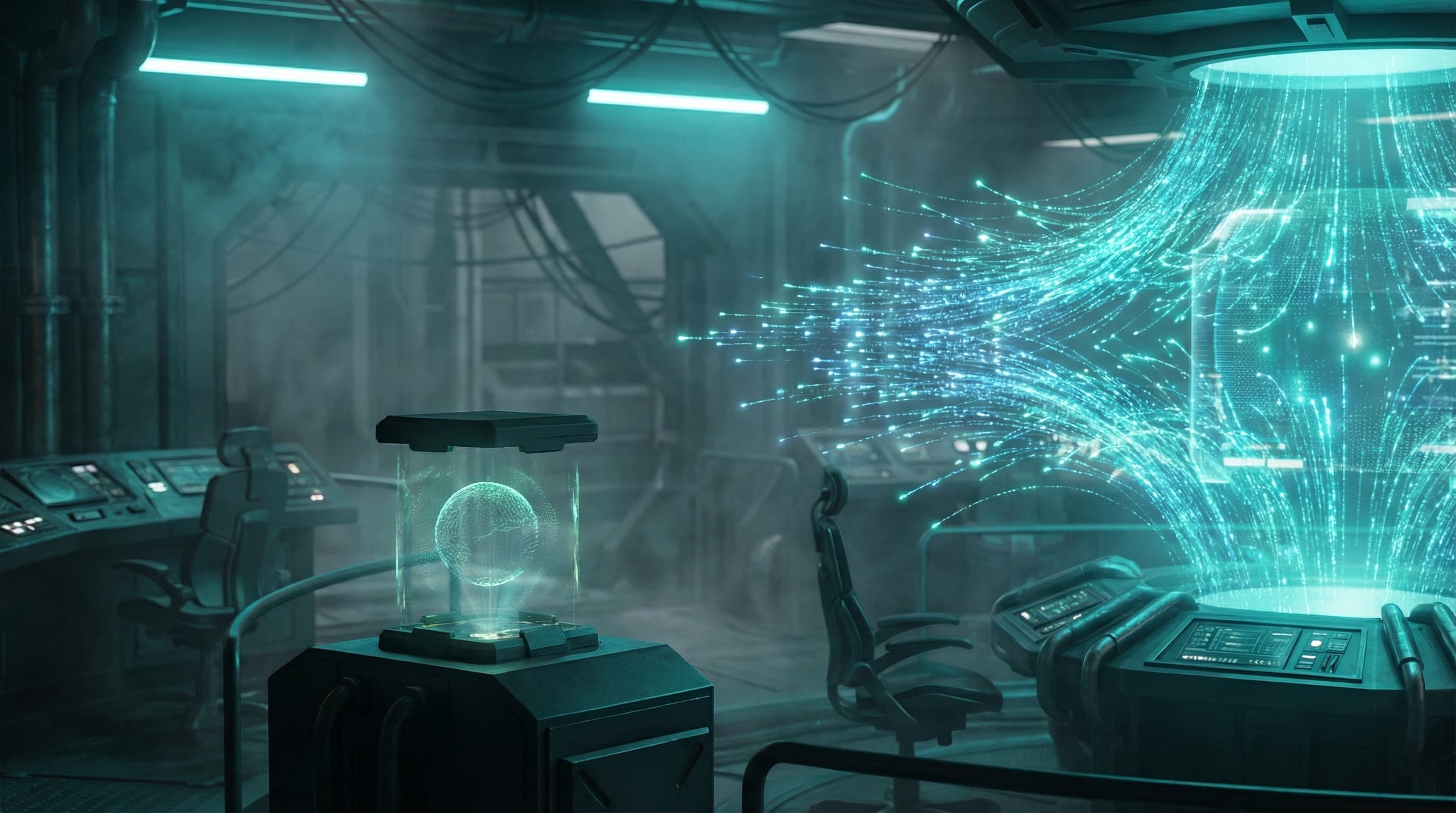
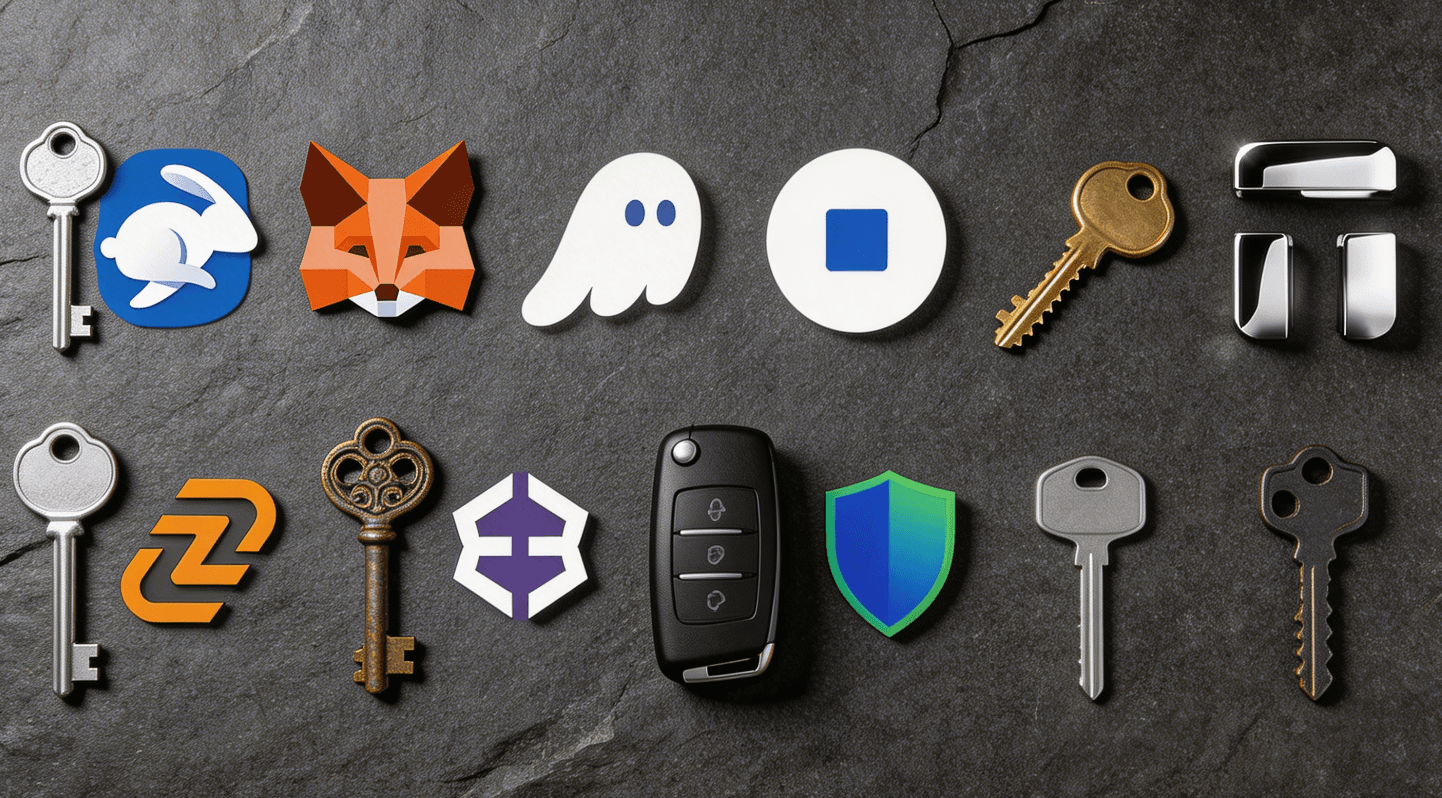
Visual comparison of Web3 domain service chain coverage — limited single-chain vs expansive multichain support in 2026
The marketing for every domain service sounds similar. Here's what to actually verify before you commit:
1. Does it resolve on the chains you use? Don't take "multichain" at face value. Ask specifically: does it resolve natively on Base? On Scroll? On whatever chain you're most active on? Native resolution means dApps and wallets on that chain support your domain without extra steps. Bridged or theoretical resolution doesn't count.
2. What are the real long-term costs? A $5/year ENS name costs $50 over a decade, $100 over 20 years. Services that charge renewals bank on users forgetting to renew — and losing their domain when they do. No-renewal-fee services eliminate this risk entirely. Factor lifetime cost, not just mint price.
3. What does your profile actually look like? Your Web3 domain should be more than a routing address. It should be a profile — a page you can send to someone that shows who you are onchain. Check whether the service gives you a live, customizable profile with your NFTs, social links, and bio. Most don't.
4. Does it add signal for airdrop eligibility? In 2026, anti-Sybil systems check for identity layer ownership as part of wallet scoring. A domain registered on the same chain as an upcoming airdrop adds a genuine human signal to your wallet. Chain-native registration matters more than a bridged name.
5. Is there a developer ecosystem? If you build or plan to build dApps, does the naming service offer an SDK? Can other applications resolve your domain natively? The value of a Web3 domain grows with adoption — choose a service that developers are actively building on.
In 2026, your Web3 domain is your primary onchain identity. It's what people see when you send them tokens, what projects check when you apply for an airdrop allocation, and what represents you across every chain you operate on.
ENS built the category. But the category has moved.
Find your name across 90+ chains — no renewals, full profile. Search your domain on ZNS →
Find your name across 90+ chains — no renewals, full profile.
Register your Web3 domain and build your onchain identity.